
Mastering Trading Psychology: The Ultimate Guide for South African Traders
Mastering Trading Psychology
Why Trading Psychology Matters More Than Strategy
Most South African traders believe success comes from:
- Finding the perfect indicator
- Joining the right signal group
- Copying the best Telegram trades
- Learning a new “winning strategy”
But the real reason most traders in South Africa fail isn’t strategy.
It’s psychology.

Professional trading is less about charts and more about discipline, emotional control, and decision-making under pressure.
If you are trading:
- Forex (USD/ZAR, GBP/ZAR)
- Crypto (Bitcoin, Ethereum)
- Indices (NAS100, US30)
- Synthetic indices
- JSE stocks
Then your mindset determines your long-term survival.
What Is Trading Psychology?
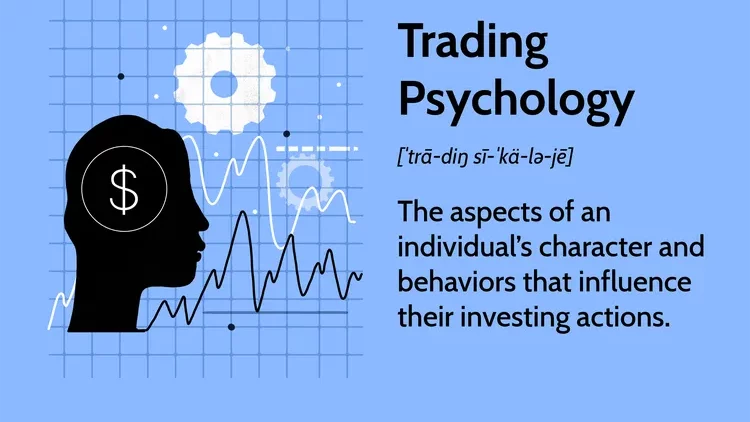
Trading psychology refers to the emotional and mental state that influences your trading decisions.
It includes:
- Fear
- Greed
- Overconfidence
- Revenge trading
- Impatience
- Discipline
- Risk tolerance
Even the best strategy fails if the trader cannot manage emotions.
The 5 Psychological Traps Destroying South African Traders
Fear of Missing Out (FOMO)
FOMO is extremely common in crypto and forex trading communities in South Africa.
Example:
- Bitcoin pumps.
- Everyone on Twitter says “We’re going to $100K!”
- You enter late.
- Market reverses.
- You panic sell.
FOMO causes late entries and emotional losses.
How to Fix It:
- Trade your plan, not social media.
- Wait for confirmation.
- Accept that missed trades are normal.
Revenge Trading
This happens after a loss.
You:
- Lose a trade.
- Feel angry.
- Double your lot size.
- Enter without analysis.
- Blow your account.
Revenge trading is one of the biggest account killers.
Solution:
- Stop trading after 2 losses.
- Step away for 30 minutes.
- Protect capital first.
Overleveraging
Many SA traders overuse:
- 1:500 leverage
- Large lot sizes
- Small accounts with big risk
High leverage magnifies emotional instability.
Rule:
Risk 1–2% per trade.
Survival > Fast profits.
Impatience
You open charts every 5 minutes.
You want daily profits.
You force trades.
Professional traders wait.
Amateurs chase.
Overconfidence After Wins
You win 3 trades.
You feel unstoppable.
You increase lot size.
You lose everything.
Consistency requires emotional neutrality.
The South African Trading Environment: Unique Psychological Pressures
South African traders face additional pressure:
- High unemployment rates
- Desire for financial freedom
- Social pressure to “make it”
- Currency volatility (ZAR fluctuations)
- Influencer-driven trading culture
This creates urgency and emotional trading.
Trading must not feel like gambling.
It must feel like structured execution.
Core Trading Psychology Principles for Consistency
1. Process Over Profits
Focus on:
- Following your rules
- Proper risk management
- Controlled execution
Money is a byproduct of discipline.
2. Accept Losses as Business Expenses
Losses are not failure.
They are part of probability.
Professional traders think in:
- Series of trades
- Long-term edge
- Statistical advantage
Not single outcomes.
3. Build Emotional Detachment
Detach from:
- Trade outcomes
- Social media noise
- Other traders’ profits
Attach to:
- Your system
- Your rules
- Your risk structure
4. Develop a Trading Routine
Daily structure:
- Pre-market analysis
- Defined session times
- Max trade limit
- Journal every trade
- Weekly review
Structure reduces emotional chaos.
Practical Psychological Tools for SA Traders
Trading Journal Template
Record:
- Entry reason
- Emotion before entry
- Emotion during trade
- Emotion after close
- Was rule followed?
Patterns reveal psychological weaknesses.
The 24-Hour Rule
After a big win or big loss:
Wait 24 hours before increasing size.
This prevents emotional scaling.
The 1% Rule
Never risk more than 1–2% of account balance.
Example:
R10,000 account → Risk R100–R200 per trade.
Consistency compounds.
Emotion destroys.
Advanced Psychological Framework: Identity Shift
Stop saying:
“I want to make money.”
Start saying:
“I am a disciplined trader.”
Identity determines behavior.
When you identify as professional:
- You follow risk rules.
- You accept losses calmly.
- You protect capital.
Why Most South African Traders Fail
Not because:
- The market is manipulated.
- Brokers are against them.
- The system is rigged.
They fail because:
- They lack discipline.
- They chase quick money.
- They trade emotionally.
- They ignore risk management.
The market rewards patience.
The Future of Trading in South Africa
With:
- Increased crypto adoption
- More online broker access
- Growing retail participation
Psychology will separate:
Amateurs from professionals.
As regulation improves and financial education grows, disciplined traders will outperform speculative gamblers.
Final Takeaway for South African Traders
If you want long-term success:
- Master your emotions before mastering indicators.
- Risk small.
- Journal everything.
- Trade probabilities.
- Focus on process, not profits.
The difference between blowing accounts and building wealth is not strategy.
It is psychology.

