
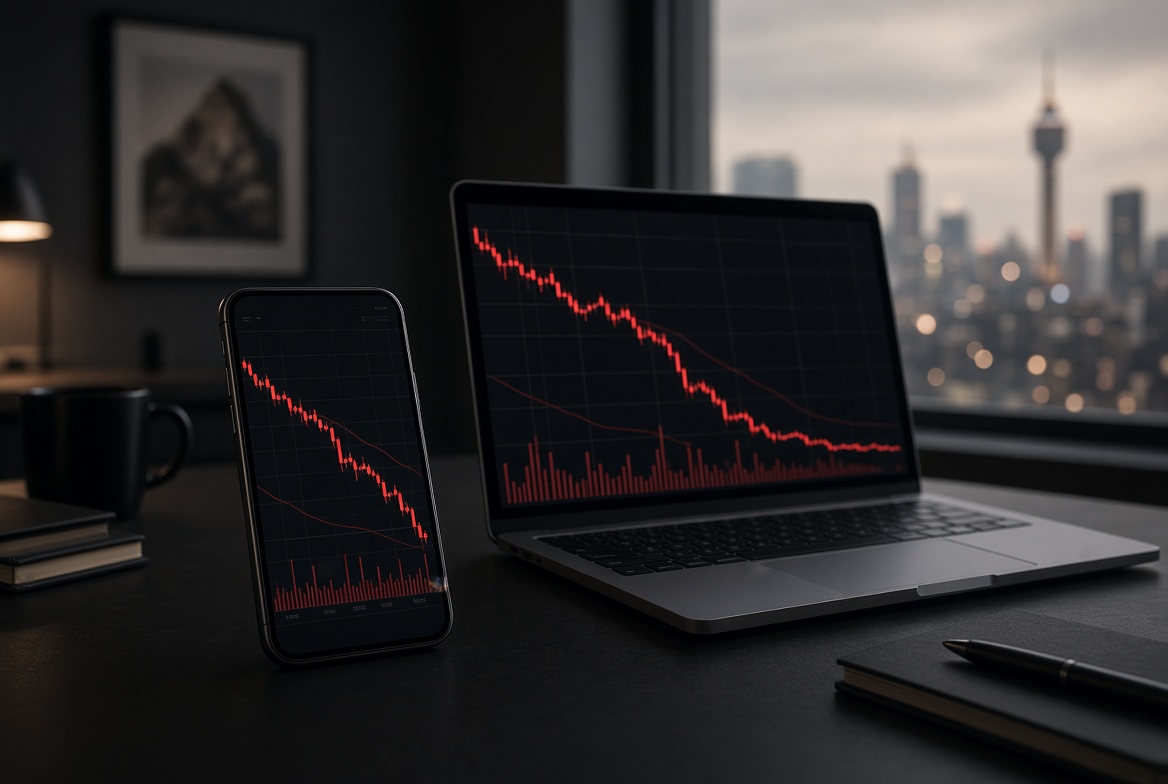
Blowing Up Your Account: One Bad Trade
Blowing Up Your Account: One Bad Trade A single oversized position can do more damage to a trading account than a string of normal losing trades. Here’s how traders lose

Traders as Businesspeople: Treating Trading Like a Business
Traders as Businesspeople: Treating Trading Like a Business If trading is how you intend to make money, it deserves to be treated with the same seriousness as any other business.

Why Most Traders Lose Money: 15 Common Mistakes and How to Avoid Them
Why Most Traders Lose Money: 15 Common Mistakes and How to Avoid Them Why Most Traders Lose Money Every day, thousands of people enter the financial markets hoping to generate
Trading Psychology Basics

Trading Psychology Basics
A solid strategy is only 30% of the equation. The rest comes down to how you manage risk and how you manage yourself. Most traders lose not because their strategy failed, but because their emotions took over.
This section covers the psychological side of trading at a foundational level, giving you the awareness and tools to trade with a clearer head from the start.
Topics covered in this section include:
- Emotions that hurt your trading. Learn how fear, greed, and overconfidence affect your decisions and what to do when you feel them taking over.
- Trading plan and journal basics. Understand why having a written plan and keeping a record of your trades are two of the most important habits you can build.
- Common trading misconceptions. Identify the false beliefs that lead traders to make poor decisions and replace them with a more accurate picture of how markets work.
- Risk management fundamentals. Learn how to size your positions, set stop losses, and protect your capital so that no single trade can damage your account significantly.
Fear keeps you out of good trades. Greed keeps you in bad ones. The gambler’s mindset pushes you to chase losses. These are not personality flaws, they are predictable patterns that every trader faces. Knowing them in advance puts you in a position to manage them.
This section applies to every trader regardless of experience level. The earlier you build these habits, the less they cost you.